
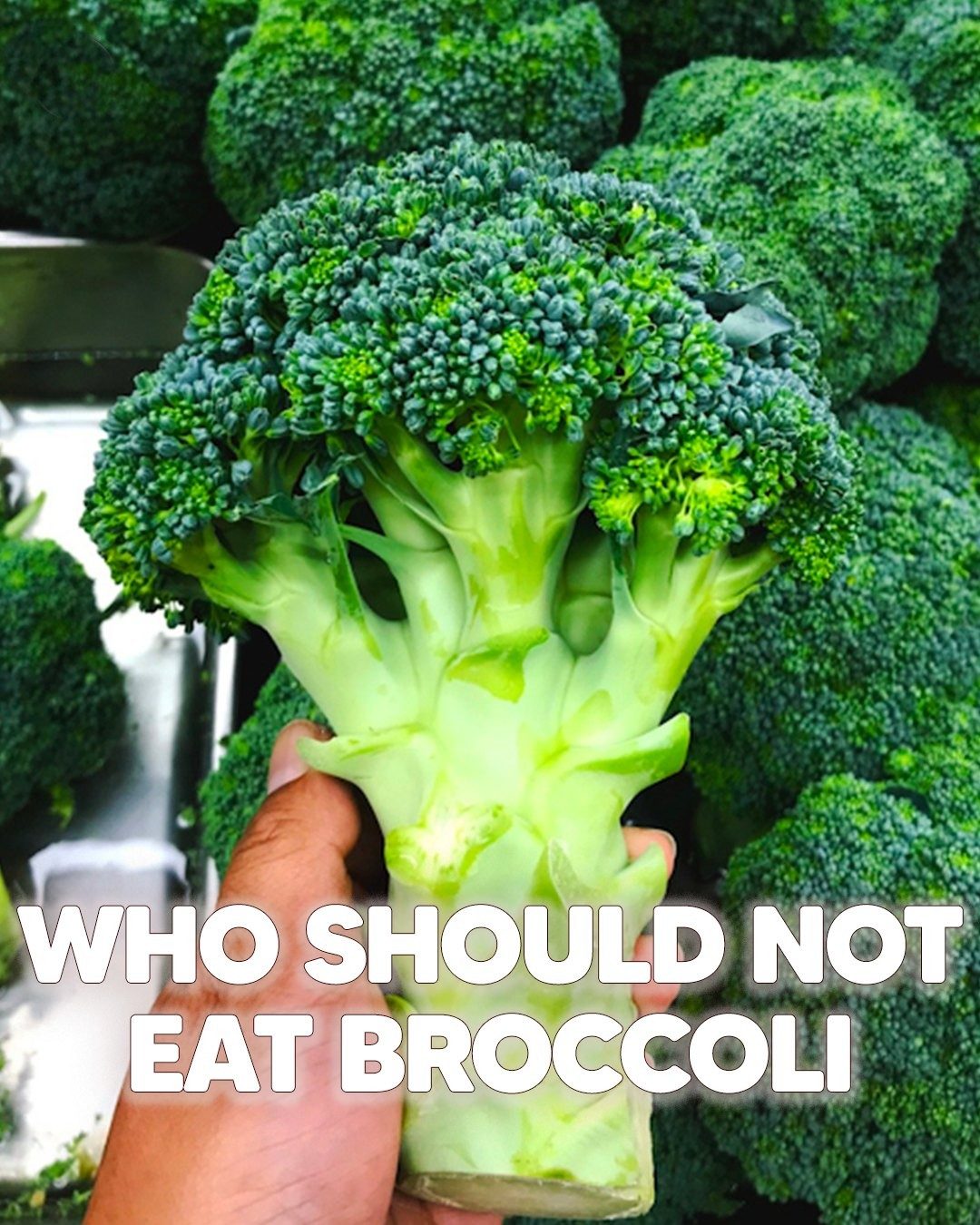
Broccoli has long been crowned a superfood. It’s green, crunchy, low in calories, and packed with vitamins. Doctors praise it. Nutritionists recommend it. Fitness influencers swear by it. For years, broccoli has been placed on a pedestal as one of the healthiest vegetables you can eat.
But here’s the uncomfortable truth no one likes to talk about: broccoli is not good for everyone.
In fact, for certain people, eating broccoli regularly can cause discomfort, worsen existing health issues, or quietly interfere with how the body functions. And most of them have no idea it’s happening—because broccoli has such a “healthy” reputation that it rarely gets questioned.
If you’ve ever felt bloated after eating greens, struggled with digestion, or noticed unexplained symptoms despite “eating clean,” this article may explain why.
Let’s take a closer look at who should not eat broccoli—or at least be very careful with it.
1. People With Thyroid Problems Should Be Careful
One of the most important groups that should think twice before eating large amounts of broccoli is people with thyroid disorders, especially hypothyroidism.
Broccoli belongs to a group of vegetables called cruciferous vegetables, which also includes cabbage, cauliflower, and kale. These vegetables contain natural compounds called goitrogens.
Goitrogens can interfere with the body’s ability to use iodine properly. Iodine is essential for producing thyroid hormones, which regulate metabolism, energy levels, and body temperature.
For most healthy people, this isn’t a problem. But for someone with an underactive thyroid, eating large amounts of raw broccoli regularly may worsen symptoms such as:
Fatigue
Weight gain
Brain fog
Cold sensitivity
This doesn’t mean people with thyroid issues must completely avoid broccoli—but moderation and cooking are key. Cooking broccoli significantly reduces goitrogenic compounds.
2. People With Sensitive Digestion or IBS
Broccoli is high in fiber, which is usually a good thing. However, for people with Irritable Bowel Syndrome (IBS) or sensitive digestion, that fiber can become a problem.
Broccoli contains FODMAPs, a type of carbohydrate that ferments in the gut. This fermentation can lead to:
Bloating
Gas
Abdominal pain
Diarrhea or constipation
Many people assume these symptoms are “normal” or blame stress, not realizing that certain healthy foods are triggering them.
If you often feel uncomfortable after eating broccoli—especially raw or lightly cooked—it may not be your gut being “weak.” It may simply be reacting to a food it doesn’t tolerate well.
continued on next page
ADVERTISEMENT
