
What Is Normal Blood Pressure for Your Age? A Clear, Updated Guide

Why Blood Pressure Matters
Blood pressure is one of the most important indicators of overall cardiovascular health.
It measures the force of blood pushing against artery walls as the heart pumps.
When blood pressure stays too high for long periods, it may increase the risk of:
- heart disease,
- stroke,
- kidney damage,
- vision problems,
- and other serious health complications.
Because high blood pressure often develops silently, many people do not realize they have it until symptoms or complications appear.
Understanding Blood Pressure Numbers
Blood pressure readings contain two numbers:
Example:
120/80 mmHg
The first number is:
- Systolic pressure
(the pressure when the heart beats)
The second number is:
- Diastolic pressure
(the pressure when the heart rests between beats)
Both numbers matter for evaluating cardiovascular health.
General Healthy Blood Pressure Range
120/80120/80
For most adults, a normal blood pressure reading is generally considered around:
- 120/80 mmHg
According to many medical guidelines:
| Category | Blood Pressure |
|---|---|
| Normal | Less than 120/80 |
| Elevated | 120–129 / less than 80 |
| High Blood Pressure Stage 1 | 130–139 / 80–89 |
| High Blood Pressure Stage 2 | 140+ / 90+ |
| Hypertensive Crisis | Above 180/120 |
However, ideal ranges can vary slightly depending on:
- age,
- medical history,
- medications,
- and overall health.
Blood Pressure by Age: What Is Often Considered Typical
While there is no perfect “one-size-fits-all” number, doctors often observe general trends across age groups.
Ages 18–39
Typical healthy range:
- Around 90/60 to 120/80
Younger adults generally have more flexible arteries and lower cardiovascular risk.
Ages 40–59
Typical healthy range:
- Around 110/70 to 130/85
Blood pressure may begin rising gradually due to:
- stress,
- weight changes,
- reduced physical activity,
- and aging blood vessels.
Ages 60 and Older
Typical healthy range:
- Often below 130/80, though individual goals vary
Older adults may naturally experience slightly higher readings because arteries become less elastic with age.
Doctors often evaluate blood pressure goals carefully in older adults to balance:
- heart health,
- fall risk,
- medication side effects,
- and overall quality of life.
Why High Blood Pressure Is Called the “Silent Killer”
Hypertension is often called the “silent killer” because it may cause no obvious symptoms for years.
Some people only discover they have high blood pressure after experiencing:
- chest pain,
- stroke,
- heart attack,
- or kidney problems.
This is why routine monitoring is extremely important.
Common Factors That Affect Blood Pressure
Blood pressure can rise due to many factors, including:
- stress,
- poor diet,
- smoking,
- obesity,
- lack of exercise,
- excess salt intake,
- alcohol consumption,
- poor sleep,
- and genetics.
Temporary factors such as:
- anxiety,
- caffeine,
- dehydration,
- or illness
may also affect readings.
Symptoms That May Occur With Very High Blood Pressure
Although high blood pressure is often symptomless, extremely elevated levels may sometimes cause:
- headaches,
- dizziness,
- blurred vision,
- chest pain,
- shortness of breath,
- or confusion.
A reading above:
180/120180/120
may represent a medical emergency and requires immediate medical attention.
Healthy Habits That Support Better Blood Pressure
Lifestyle changes can significantly improve blood pressure control.
Helpful habits include:
- regular exercise,
- maintaining a healthy weight,
- reducing salt intake,
- eating fruits and vegetables,
- managing stress,
- sleeping well,
- and avoiding smoking.
Many doctors also recommend limiting highly processed foods.
The Importance of Regular Monitoring
Checking blood pressure regularly can help detect problems early.
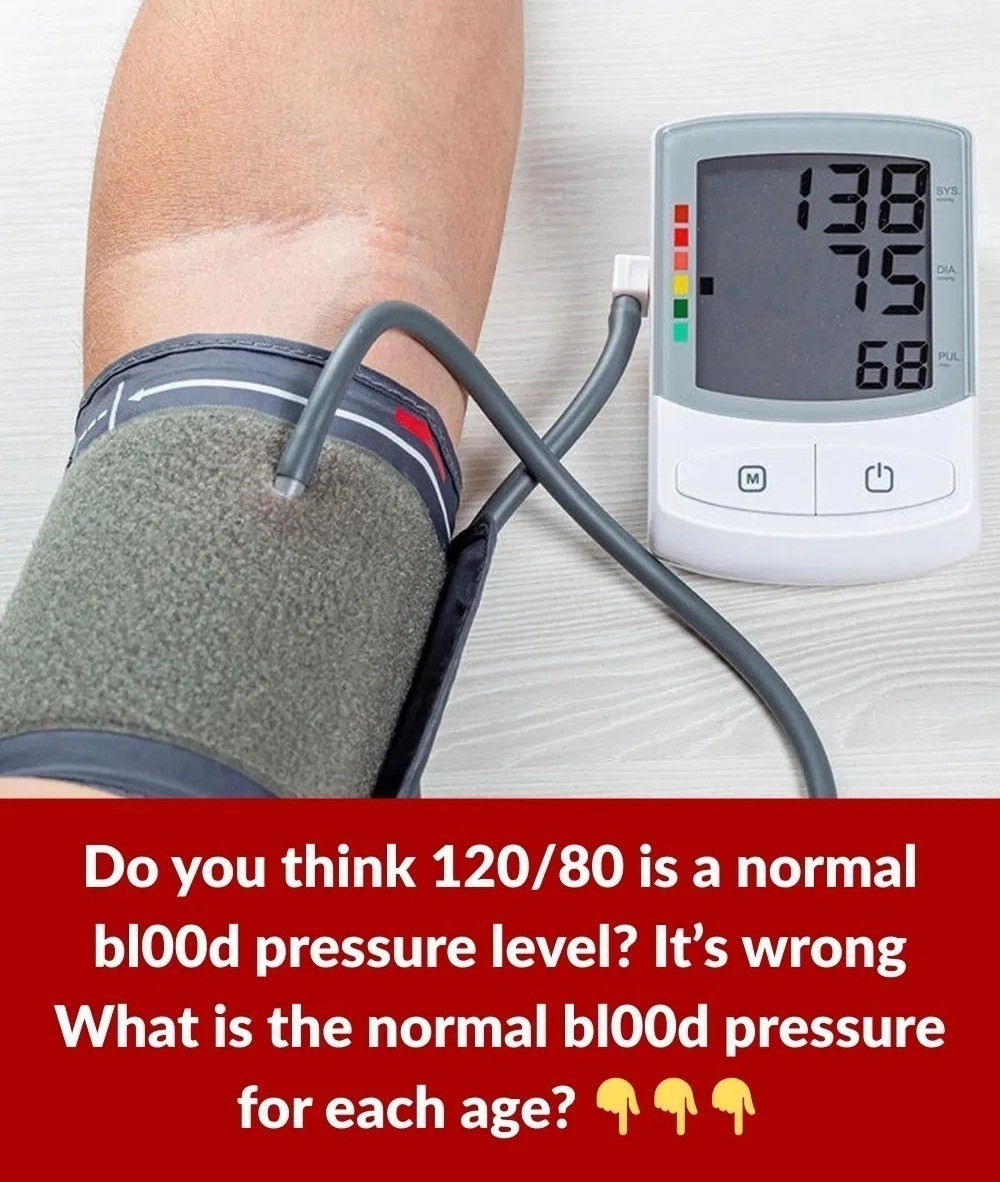
Many people now monitor blood pressure at home using digital monitors.
For the most accurate readings:
- sit calmly for several minutes first,
- avoid caffeine beforehand,
- keep feet flat on the floor,
- and measure at consistent times.
Doctors may recommend tracking readings over several days rather than relying on a single measurement.
Blood Pressure Goals May Differ Between Individuals
Some people require personalized blood pressure targets depending on:
- diabetes,
- kidney disease,
- pregnancy,
- heart conditions,
- or medication use.
That is why healthcare providers evaluate blood pressure within the context of overall health — not just a single number.
Final Thoughts
Understanding normal blood pressure ranges can play a major role in protecting long-term health.
While healthy numbers may vary slightly with age and individual circumstances, regular monitoring and healthy habits remain essential for reducing risks involving:
- heart disease,
- stroke,
- kidney damage,
- and other complications.
Because Hypertension often develops quietly, awareness and prevention are some of the most powerful tools for maintaining lifelong cardiovascular health.
ADVERTISEMENT

