
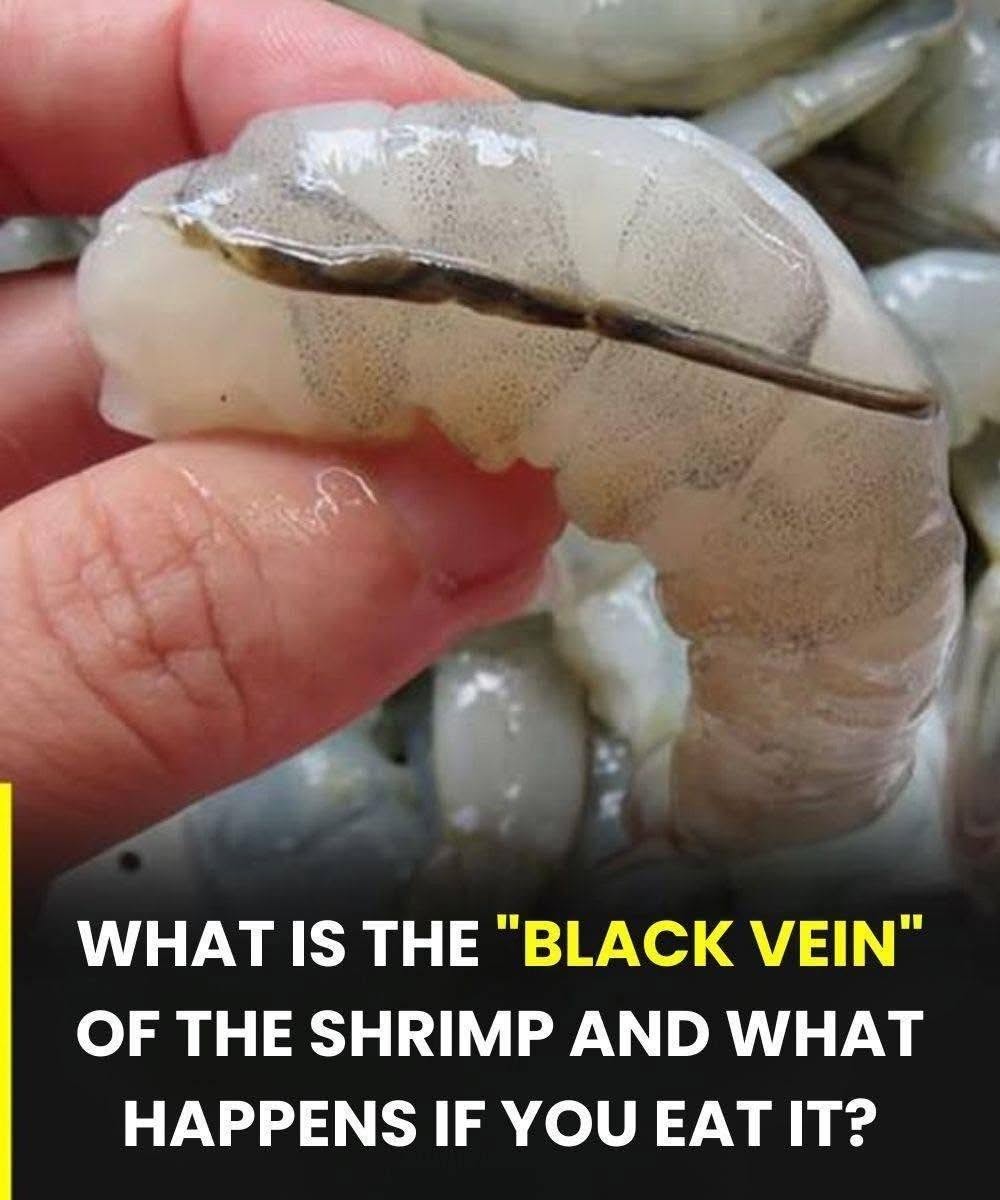
🦐 The Shrimp “Vein”: A Tiny Detail That Sparks Big Debate
Shrimp is one of the world’s favorite seafoods — delicate, versatile, and perfect for everything from quick weeknight stir-fries to elegant dinner party dishes. But if you’ve ever prepared shrimp at home, you’ve probably noticed that dark line running along its back. Some cooks remove it religiously, while others don’t bother. So what’s the deal with this so-called “vein”?
What the “Vein” Really Is
Here’s the truth: that line isn’t a vein at all. It’s the shrimp’s digestive tract — essentially its intestine. Depending on what the shrimp ate before being caught, the tract can look dark brown, black, or even slightly green. It’s harmless, but it does raise questions about taste and presentation.
Is It Safe to Eat Shrimp Without Deveining?
Yes. As long as the shrimp is fresh and cooked properly, leaving the vein in poses no health risk. Heat kills bacteria, so food safety isn’t the issue here. Instead, it’s about flavor, texture, and aesthetics.
Why Many Cooks Remove It
Taste: The vein can sometimes add a bitter or muddy flavor.
Texture: It may feel gritty, especially in grilled or sautéed shrimp.
Appearance: A clean, deveined shrimp simply looks more appetizing.
That’s why many chefs prefer to remove it — it elevates the overall dining experience.
How to Devein Shrimp Easily
The process is simple:
With raw shrimp, make a shallow cut along the back.
Use the tip of a knife or a toothpick to lift out the vein.
Rinse if needed, and you’re done.
It can also be done after cooking, though the shrimp will be firmer and slightly trickier to handle.
Do You Always Need to Devein?
Not necessarily.
Small shrimp: The vein is barely visible and often left intact.
Large shrimp: The vein is more noticeable, so removing it is common for both flavor and presentation.
That’s why many stores sell shrimp already peeled and deveined — it saves time and effort.
The Other Line You Don’t Need to Worry About
Shrimp also have a line on their underside, which is actually a blood vessel. Unlike the digestive tract, it doesn’t contain waste and doesn’t affect taste or texture. No need to remove it.
Freshness Clues
Interestingly, the vein can sometimes hint at freshness:
Very dark vein: May suggest the shrimp wasn’t handled well or has been stored longer.
Lighter vein: Often linked to fresher shrimp.
It’s not a perfect test, but it’s a useful visual cue.
Final Thoughts
The shrimp “vein” isn’t dangerous, but it’s worth knowing about. Removing it is more about refinement than necessity — a small step that can make a big difference in taste, texture, and presentation. In cooking, it’s often these little details that separate a good dish from a great one.
So next time you’re prepping shrimp, take a moment to decide: devein or not? Either way, you’ll be enjoying one of the ocean’s most beloved delicacies.
ADVERTISEMENT

