
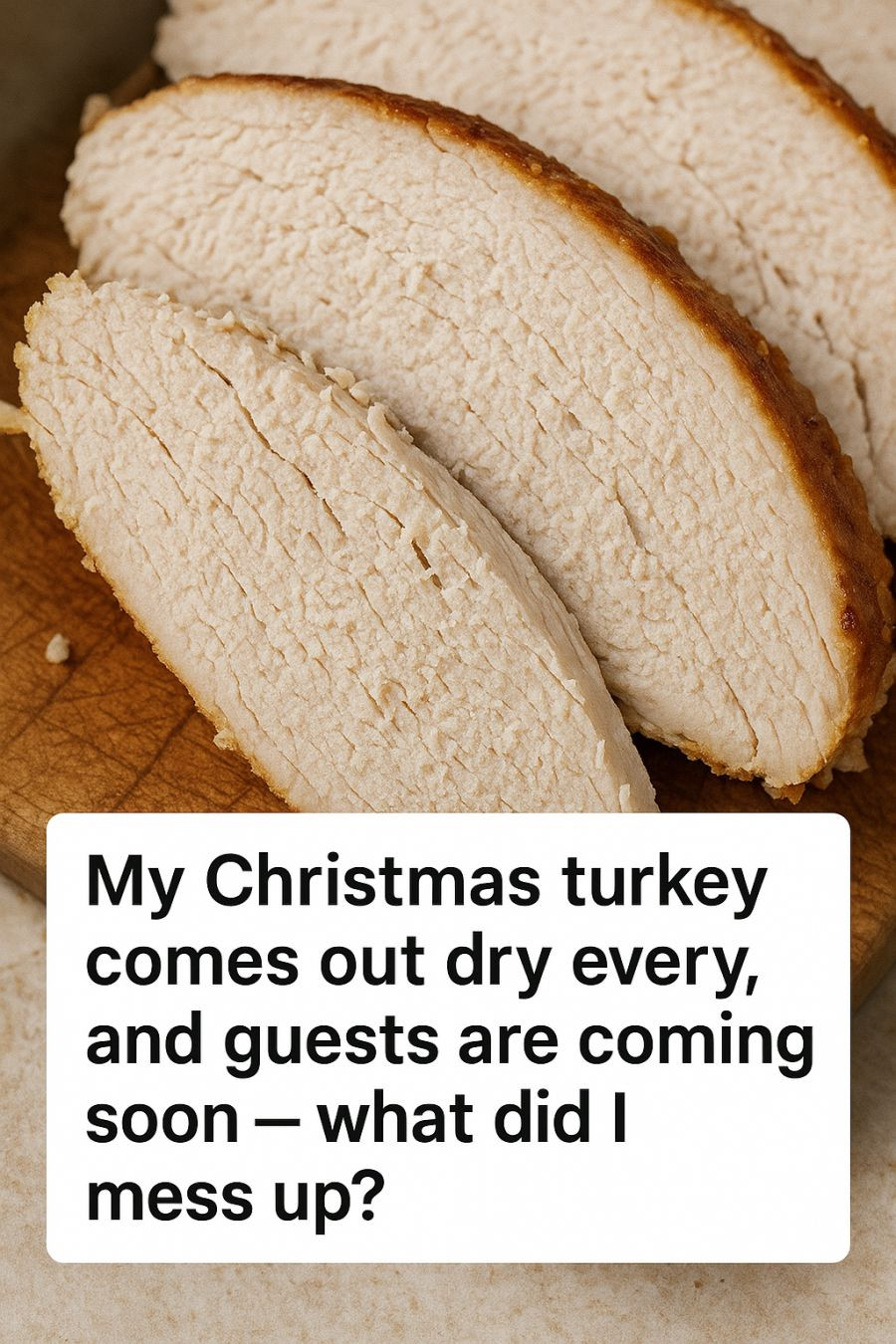
The holiday season is upon us, and with it comes the annual tradition of preparing a festive feast for family and friends. For many, the centerpiece of this meal is a beautifully roasted turkey, but achieving the perfect bird can be a daunting task. All too often, home cooks find themselves disappointed when their turkey turns out dry and unappetizing, leaving them to wonder where they went wrong.
In this article, we’ll explore common pitfalls that can lead to a dry turkey and offer tips on how to avoid these problems. From the selection of the bird to the final carving, each step in the process is crucial to ensuring that your turkey is juicy and flavorful. Read on to discover what might have gone awry in your turkey preparations and how you can improve your technique for a moist and delicious result.
see next page
1. You Started With a Turkey That Was Too Lean or Too Small
Choosing the right turkey is the first step towards achieving a juicy roast. Lean turkeys, often bred to have less fat, can result in a drier finished product, as fat is a key component in keeping the meat moist during cooking. Opt for a turkey with a higher fat content, or consider a heritage breed, which tends to have better fat distribution.
Additionally, the size of the turkey matters. Smaller birds, under 10 pounds, can cook too quickly, leading to dryness. Aim for a turkey that’s between 12 to 16 pounds for optimal results. This size allows enough time for the meat to cook evenly without drying out.
2. The Bird Was Still Partly Frozen When It Went in the Oven
Ensuring your turkey is fully thawed before roasting is critical. A partially frozen turkey will cook unevenly, with the outer layers overcooking by the time the interior reaches a safe temperature. For best results, the turkey should be thawed in the refrigerator, allowing 24 hours for every 4 to 5 pounds of bird.
To check if the turkey is fully thawed, insert a skewer or fork into the thickest part of the meat. If you encounter ice crystals or the meat feels firm, it needs more time to thaw. Rushing this step can lead to a dry, overcooked exterior with an undercooked interior.
3. You Skipped Brining (Or Didn’t Give It Enough Time)
Brining is a technique that uses a saltwater solution to infuse moisture and flavor into the turkey. Skipping this step can result in a drier bird, especially if it’s a leaner variety. A basic brine consists of water, salt, sugar, and aromatics, and the turkey should be submerged for at least 12 to 24 hours.
If you’re short on time, a dry brine can also be effective. This involves rubbing the turkey with salt and letting it sit uncovered in the refrigerator for 24 to 48 hours. Both methods help retain moisture during cooking, giving you a juicier final product.
4. You Didn’t Dry the Skin Properly Before Roasting
see next page
ADVERTISEMENT
