
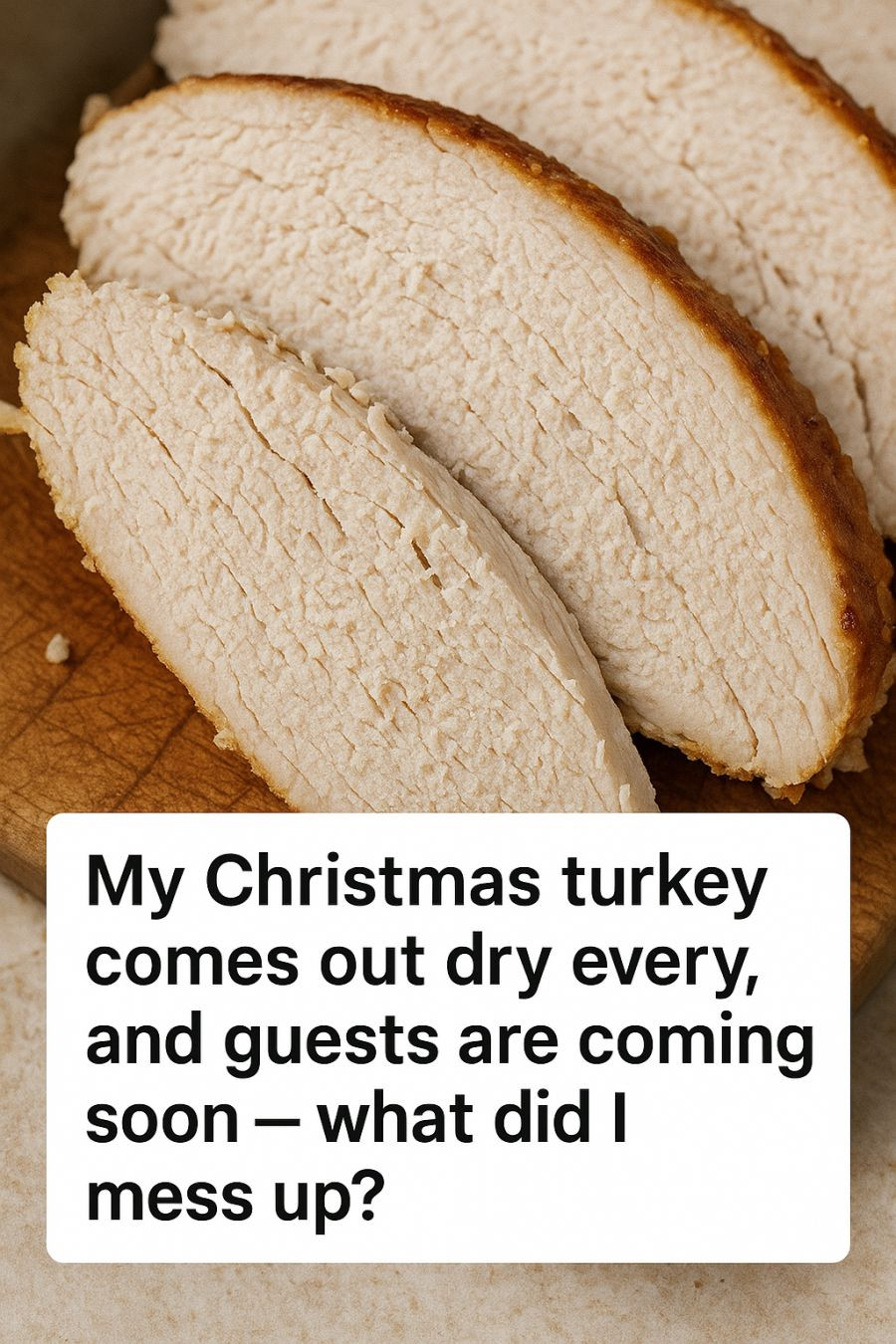
Properly drying the turkey skin before it goes into the oven helps ensure a crisp, golden exterior. Any moisture left on the skin will create steam, which prevents the skin from crisping up and can lead to a soggy texture. After brining or thawing, pat the turkey dry with paper towels.
For extra crispy skin, leave the turkey uncovered in the refrigerator for several hours or overnight. This drying time allows the skin to tighten and dehydrate, setting the stage for a perfectly roasted bird.
5. You Trusted the Pop-Up Timer Instead of a Real Thermometer
Many turkeys come with a pop-up timer to indicate when they are done, but these are often unreliable. They tend to pop up at a higher temperature than is ideal, resulting in overcooked, dry meat. Instead, invest in a good quality meat thermometer.
Check the temperature in several places, including the thickest part of the breast and thigh. The turkey should be pulled from the oven when it reaches 155-160°F in the breast, allowing carryover cooking to bring it to a safe 165°F.
6. You Cooked to 180°F Instead of Pulling at 155–160°F
Cooking your turkey to a higher internal temperature than necessary can lead to dry meat. The USDA recommends cooking poultry to an internal temperature of 165°F, but pulling the turkey from the oven at 155–160°F allows for residual heat to continue cooking the bird to perfection.
Overcooking is one of the most common mistakes, and being vigilant about internal temperature can help prevent a dry turkey. Use a reliable meat thermometer and check multiple spots to ensure even cooking.
7. You Roasted at One Temperature the Whole Time
Roasting your turkey at a single temperature throughout can be tempting, but varying the oven temperature can yield better results. Start with a high heat of around 450°F for the first 30 minutes to help crisp the skin, then reduce the temperature to 325°F for the remainder of the cooking time.
This method allows the skin to brown and crisp while the lower, steady temperature ensures the meat cooks evenly and retains moisture. Monitor the turkey closely to prevent overcooking.
8. You Didn’t Shield the Breast With Foil or Flip the Bird
The breast meat tends to cook faster than the dark meat, leading to dryness if precautions aren’t taken. Partway through roasting, consider covering the breast with a piece of foil to slow its cooking. Alternatively, you can start roasting the turkey breast-side down, then flip it halfway through.
These methods help ensure even cooking throughout the bird and prevent the breast meat from drying out. Be careful when flipping the turkey to avoid tearing the skin, which helps keep moisture in.
9. You Stuffed the Turkey Cavity and Overcooked It for Safety
see next page
ADVERTISEMENT
