
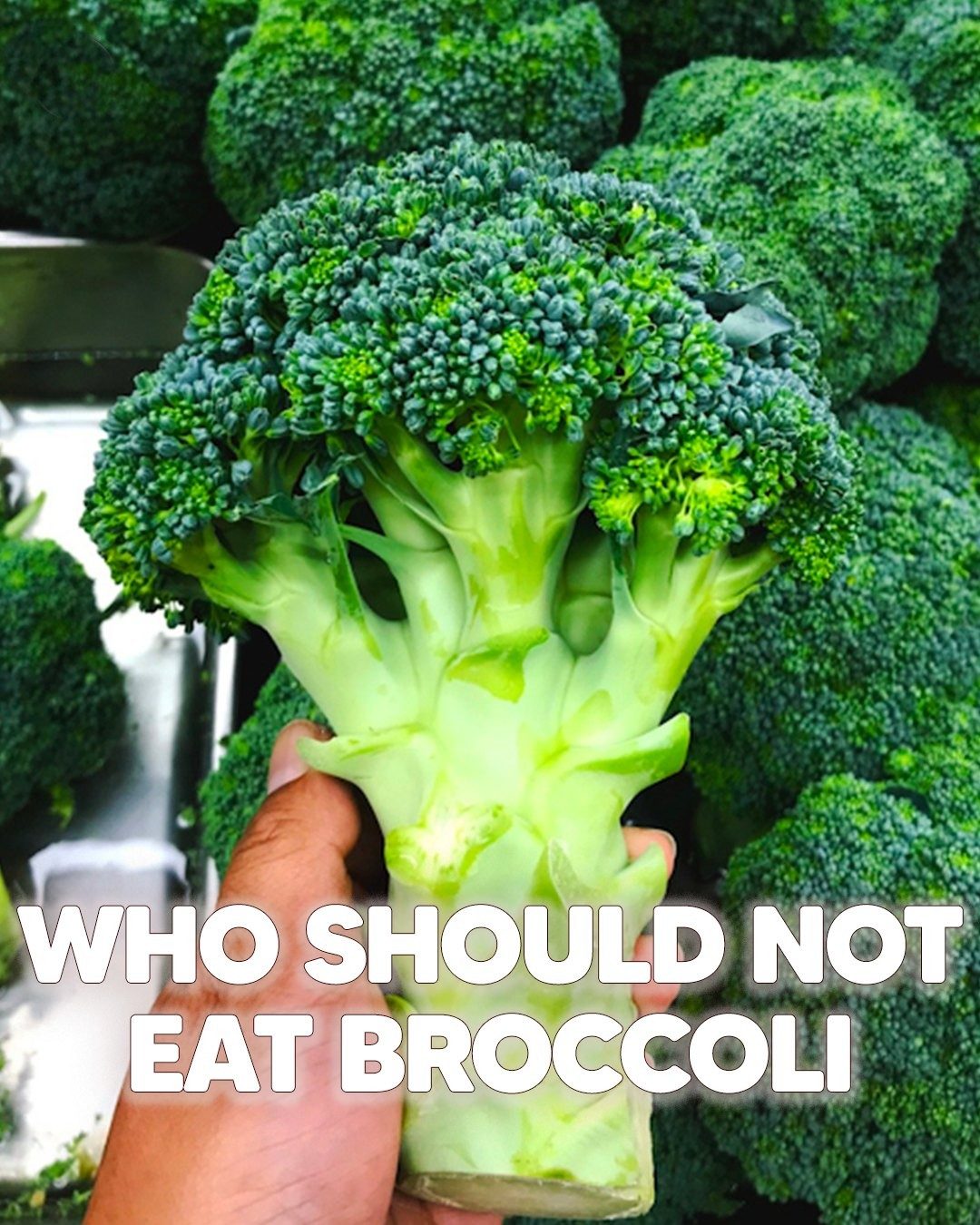
6. People With Allergies or Cross-Reactions
Although rare, some people experience allergic reactions to broccoli, especially those with sensitivities to:
Mustard
Cabbage
Other cruciferous vegetables
Symptoms may include:
Itchy mouth or throat
Digestive upset
Skin reactions
Because broccoli allergies are uncommon, symptoms are often overlooked or misattributed to something else.
Raw vs Cooked: Why It Matters More Than You Think
Many of the issues associated with broccoli come down to how it’s eaten.
Raw broccoli:
Harder to digest
Higher in goitrogens
More likely to cause gas
Cooked broccoli:
Easier on the stomach
Reduced thyroid interference
Still very nutritious
Light steaming is often the best option for people who want the benefits without the discomfort.
So… Should You Stop Eating Broccoli?
Not necessarily.
Broccoli is still a nutrient-dense vegetable with real health benefits. But healthy food is not one-size-fits-all.
If you:
Feel worse after eating broccoli
Have thyroid, digestive, or kidney issues
Are on blood-thinning medication
Then broccoli may not be the hero food it’s advertised to be—for you.
Listening to your body matters more than following food trends.
The Bottom Line
Broccoli’s “superfood” status has made it immune to criticism, but that doesn’t mean it’s perfect for everyone.
Health isn’t about eating what’s popular—it’s about eating what works for your body.
If broccoli leaves you bloated, uncomfortable, or feeling off, it may be time to rethink how often—and how—you eat it.
Sometimes, the healthiest choice is simply paying attention.
ADVERTISEMENT
