
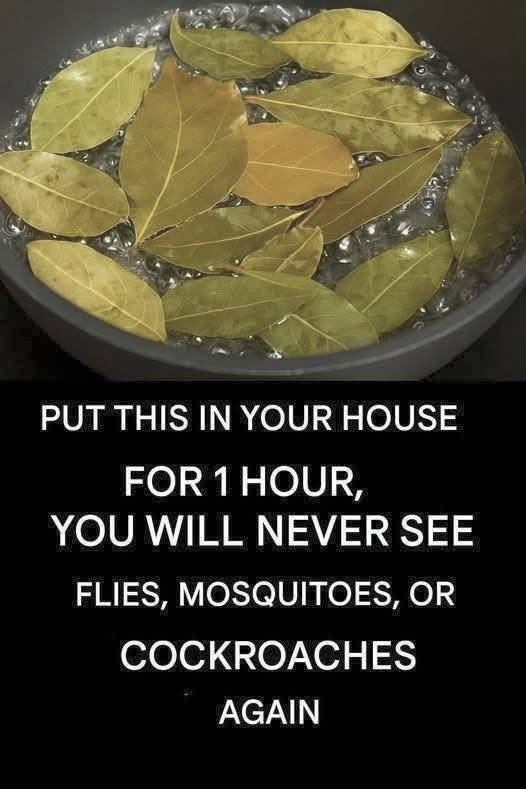
Natural pest control relies on the biological aversions that insects have toward specific scents, textures, and chemical compounds found in nature. While humans may find the aroma of cloves or vinegar refreshing, many insects perceive these scents as predatory warnings or respiratory irritants. By leveraging these natural signals, we can create a defensive perimeter around our living spaces without compromising our own indoor air quality.
A Strategic Homemade Mosquito Trap
Mosquitoes are drawn to humans primarily through the detection of carbon dioxide and heat. While many commercial traps use expensive propane systems to mimic this, you can achieve a similar effect using the process of fermentation. A DIY mosquito trap made from a recycled plastic bottle is an ingenious way to utilize the power of sugar and yeast-like reactions to lure mosquitoes away from your skin and into a secure container.
The Assembly Kit:
1 empty 2-liter plastic bottle
1 cup of hot water
5 tablespoons of granulated sugar
1 tablespoon of baking powder (which acts as a catalyst for gas release)
Execution:
Begin by dissolving the sugar into the hot water until the liquid is clear. Once the mixture has cooled slightly, stir in the baking powder. This concoction creates a slow-release chemical reaction that mimics the carbon dioxide exhaled by mammals. Next, carefully cut the plastic bottle about one-third of the way down from the cap. Pour your mixture into the bottom reservoir. Take the top portion of the bottle, flip it upside down to create a funnel, and nestle it into the bottom section.
Place this trap in the shaded corners of your patio or near entryways. The mosquitoes follow the scent into the funnel, but the narrow opening and the sticky nature of the liquid prevent them from navigating their way back out. It is a silent, non-toxic guardian for your evening relaxation.
The Aromatic Shield: Bay Leaf and Clove Infusion
Cockroaches and flies possess highly sensitive olfactory receptors. The pungent, spicy oils found in cloves combined with the bitter herbal notes of bay leaves act as a powerful deterrent. While we might associate these scents with a warm kitchen or a simmering stew, pests associate them with an environment that is hostile to their survival.
The Recipe:
15 dried bay leaves
10 whole cloves
1 cup of water
Execution:
Combine the ingredients in a small saucepan and bring the water to a gentle simmer. Allow the mixture to “tea” for about ten minutes; this heat-extraction method ensures that the essential oils are fully released into the liquid. Once the infusion has cooled, strain the leaves and cloves and transfer the amber liquid into a spray bottle.
This spray is particularly effective because it is food-safe. You can liberally apply it to the dark, damp areas where roaches congregate—behind the toaster, under the sink, and along the tracks of your pantry shelves. Unlike commercial “roach motels” or poison baits, there is no risk to curious pets or visiting grandchildren.
The All-Purpose Barrier Spray
For those who want a single, versatile solution that addresses multiple types of invaders simultaneously, a multi-purpose botanical barrier is the ideal tool. This recipe utilizes the unique properties of three household staples to create a repellent that sticks to surfaces and lingers long after application.
The Formula:
½ cup of white vinegar (The primary repellent)
½ cup of vegetable oil (The adhesive agent)
½ cup of mild shampoo (The emulsifier)
Execution:
By whisking these three components together, you create an emulsion. The vinegar provides a sharp acidic scent that most insects find intolerable. The vegetable oil ensures that when you spray the mixture on window sills or door frames, it doesn’t simply evaporate, but leaves a thin, invisible film. The shampoo serves two purposes: it helps the oil and vinegar stay mixed, and it breaks down the waxy exoskeleton of any insect that comes into direct contact with it.
The Pillars of Pest Prevention
Continue reading…
ADVERTISEMENT
