
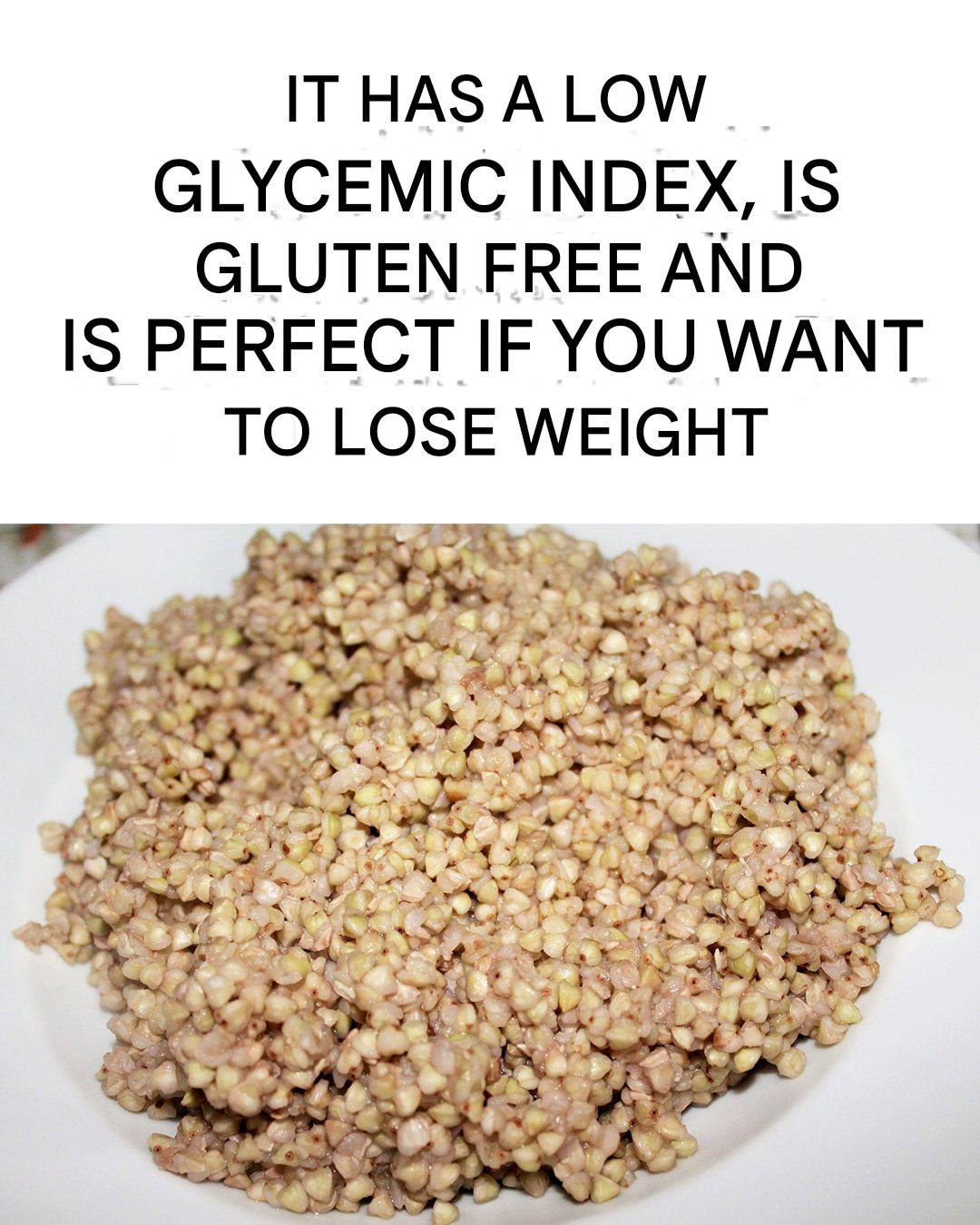
Here are the nutritional values per 100 grams of buckwheat. Consider that the portion per person is about 80 grams.
Water 13.1 grams
Calories 329 kcal
Protein 12.4 grams
Lipids 3.3 grams
Cholesterol 0 mg
Carbohydrates 61.2 grams
Fiber 10 grams
Sodium 1 mg
Potassium 450 mg
Calcium 110 mg
Phosphorus 330mg
Iron 4mg
Thiamine 0.6 mg
Niacin 4.4 mg
Folic acid 24 μg
Properties and benefits
Buckwheat is a real ally in the kitchen, if you care about your health. It has a low glycemic index and is a good source of fiber, manganese, potassium, and phosphorus. Its main property is that it does not have gluten, the typical protein of wheat and other cereals. Although it does not have it, however, there may be cross-contamination if it is processed and packaged in a facility that also processes wheat.
It’s great if you’re trying to lose weight or not gain weight, as it allows you to feel full for a long time. Foods that increase satiety help you not mess up later in the day and reduce the total number of calories a person consumes throughout the day. As anticipated, it is also an excellent source of fiber. Dietary fiber is a type of vegetable carbohydrate thatthe body cannot break down during digestion. As a result, it supports the intestines in digesting food efficiently and helps food move through the digestive tract. It may also have other benefits, such as preventing cardiovascular disease.
Not only is this food rich in vitamins and minerals, but it is an excellent source of digestible vegetable protein. For each 80-gram serving, this food contains up to 9.9 grams of protein and 17 different amino acids to support muscle growth and synthesis. The protein content is not as high as some beans and legumes, but it is higher than most whole grains.
Contraindications
The main contraindication of buckwheat is allergies. If you know you are sensitive to this pseudocereal, do not consume it. Symptoms of an allergic reaction may manifest as swelling in the mouth or hives.
Uses in the kitchen
Buckwheat is very convenient to prepare because it comes in different forms: buckwheat seeds (often called “buckwheat groats”, or simply “buckwheat”), noodles and pasta of different shapes and buckwheat flour. Groats are available completely raw or sprouted and also roasted. Porridges made from buckwheat are commonly called kasha.
How is it prepared? You need to rinse the seeds, then cook them in a 1:2 ratio of water and a little salt for 30 minutes or until the grains are tender. They can be added to yogurt, soups and salads. While semolina can be an excellent ingredient in cakes, crepes, pancakes, pasta (from tagliatelle to pizzoccheri). They are ideal for making Japanese soba noodles, although many brands also include wheat flour
ADVERTISEMENT
