
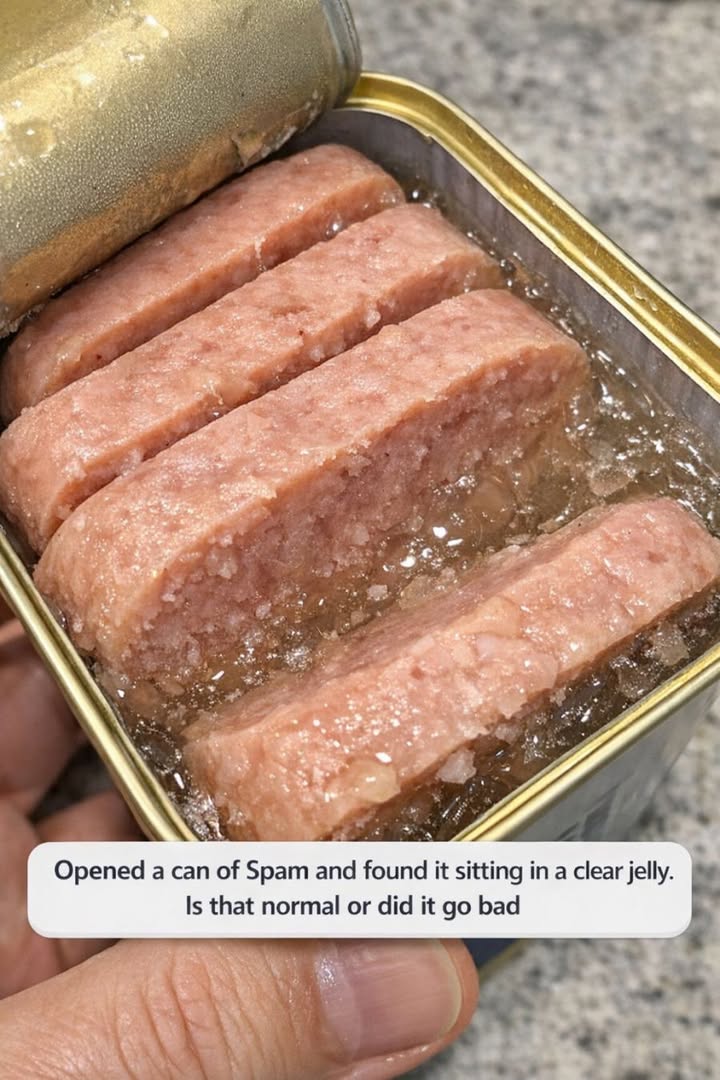
4. Visual Cues: Color, Texture, and Appearance to Check
When assessing the jelly in your can of Spam, pay close attention to its color and texture. A clear or slightly amber jelly is normal, while any discoloration, such as green, dark brown, or black, may indicate spoilage. The texture should be smooth and gelatinous, not overly thick or slimy.
In addition to the jelly, examine the Spam itself. It should have a uniform pinkish color throughout. Any gray or brown spots can be a sign of spoilage. If the appearance of either the jelly or the meat seems off, it is best to discard the product.
5. The Smell Test: When the Aroma Means Toss It
Your nose is a powerful tool in determining the freshness of Spam. When you first open a can, the smell should be mild and slightly salty, characteristic of cooked pork products. If you detect any sour, rancid, or otherwise unpleasant odors, this could be a sign that the Spam is no longer safe to eat.
Odor changes are often one of the first signs of spoilage, as bacterial growth can lead to the production of foul-smelling compounds. If the aroma is questionable, it’s better to discard the can than risk consuming spoiled meat.
6. Expiration Dates, Storage, and Can Damage Risks
Always check the expiration date on your can of Spam before consumption. While canned goods often last beyond their labeled date, it’s a useful indicator of peak quality. Store your Spam in a cool, dry place to maximize shelf life, as heat and humidity can accelerate spoilage.
Additionally, inspect the can for any signs of damage, such as dents, rust, or leaks. These can compromise the can’s integrity and lead to bacterial contamination. If a can is damaged, it’s best not to consume its contents.
7. Is the Jelly Safe to Eat or Should You Remove It?
The jelly in Spam is completely safe to eat and contributes to the moisture and flavor of the meat. However, if you find the texture unappealing, you can simply remove it before cooking or serving. The gelatin will melt away when heated, blending into the dish if you choose to cook the Spam.
Should you decide to remove it, a simple rinse under warm water or a quick wipe with a paper towel will do the trick. This won’t compromise the quality of the Spam itself.
8. How to Handle, Rinse, or Cook Spam With Jelly
If you choose to rinse off the jelly, hold the Spam under warm running water for a few seconds until it’s removed. This method is quick and effective, especially if you’re planning to cook the Spam further.
For cooking, Spam’s versatility shines through. Whether you fry, bake, or grill it, the jelly will naturally dissolve and incorporate into the dish, enhancing the flavor. When frying, the jelly helps create a delicious crispy exterior as it caramelizes in the pan.
9. Safety Tips for Leftovers After Opening the Can
Once opened, any leftover Spam should be transferred to an airtight container and stored in the refrigerator. It’s best consumed within 3-5 days to ensure optimal freshness and safety. If you notice any off smells or changes in texture after storing, discard the leftovers.
If you have a larger quantity of Spam left over, consider freezing it. Cut it into slices or chunks, wrap it tightly in plastic wrap or aluminum foil, and place it in a freezer-safe bag or container. Properly stored, it can last up to 3 months in the freezer.
10. Common Myths and Misconceptions About Spam Jelly
A common misconception is that the jelly in Spam indicates poor quality or spoilage, but in reality, it’s a natural byproduct of the cooking process. Another myth is that the jelly is added artificially; however, it forms naturally from the meat itself.
Some also believe that the jelly must be removed for health reasons, but it is entirely safe to consume. It contains proteins and nutrients from the meat, making it a harmless, if not beneficial, component of the product.
11. When in Doubt: Simple Rules for Eating or Discarding Spam
If you’re ever uncertain about the safety of your Spam, there are a few simple rules to follow. First, check the expiration date and inspect the can for damage. Upon opening, use your senses: look for any visual changes, smell for any off odors, and touch for any unusual textures.
When in doubt, it’s always safer to discard questionable food. While Spam is generally safe and designed for a long shelf life, ensuring your health and safety should always come first.
ADVERTISEMENT
