
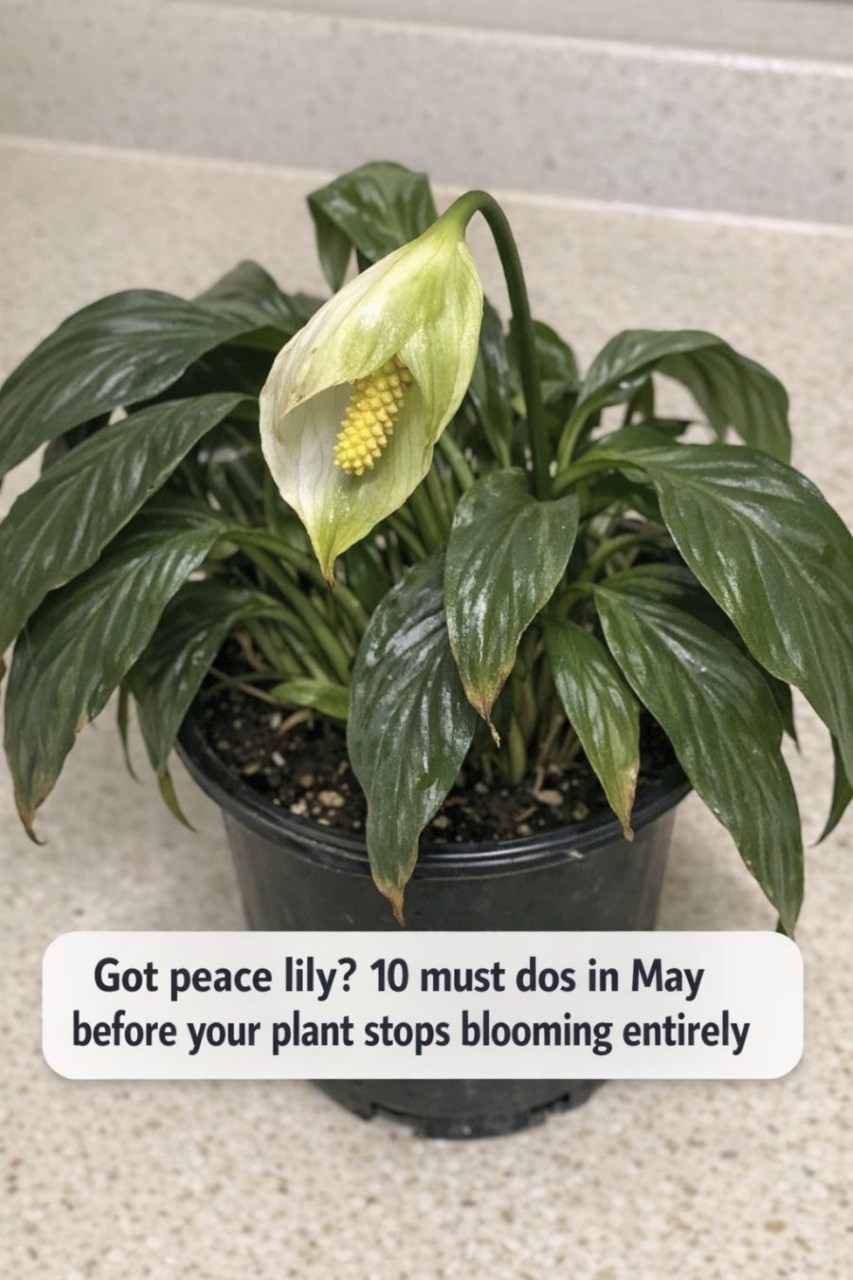
2. Refresh The Potting Mix To Boost Nutrients Before Blooming Slows
Over time, the potting mix can become compacted and depleted of essential nutrients. May is a great time to refresh the soil to ensure your peace lily has the nutrients it needs to produce new blooms. Consider repotting your plant with a fresh mix that contains peat moss, pine bark, and perlite, which will provide good drainage and aeration. This is also an excellent opportunity to check for root rot or other issues. If the plant is pot-bound, it might be time to move it to a slightly larger pot with fresh soil.
3. Divide Overgrown Clumps To Encourage Stronger Flower Production
If your peace lily has grown significantly, dividing it can help stimulate new growth and encourage more blooms. Carefully remove the plant from its pot and gently separate the root ball into smaller sections, ensuring each section has a healthy amount of roots and foliage. Plant each section in its own pot with fresh potting mix. Dividing the plant not only prevents overcrowding but also revitalizes it, encouraging a more vigorous flowering response.
4. Prune Spent Blooms And Yellowing Leaves To Redirect Energy
Pruning is essential for maintaining the health of your peace lily. As blooms begin to fade, remove them by cutting the stalk at the base near the soil line. This redirects the plant’s energy to producing new flowers rather than maintaining old ones. Additionally, remove any yellowing or damaged leaves to improve the plant’s overall appearance and health. Use clean, sharp scissors or pruning shears to prevent the spread of disease.
5. Adjust Your Watering Routine For Warmer May Temperatures
As temperatures rise in May, your peace lily’s water needs may change. Peace lilies prefer consistently moist soil but do not tolerate waterlogged conditions. Check the top inch of soil; if it feels dry to the touch, it’s time to water. Be mindful to avoid letting the plant sit in water, as this can lead to root rot. Adjust the frequency of watering based on the temperature and humidity levels in your home, aiming to keep the soil evenly moist but not soggy.
6. Start A Balanced Fertilizer Schedule To Fuel New Blooms
To support blooming, begin a regular fertilizer schedule in May. Use a balanced, water-soluble fertilizer with an equal ratio of nitrogen, phosphorus, and potassium (such as a 20-20-20 formula). Feed your peace lily every 4 to 6 weeks during the growing season to provide the necessary nutrients for flower production. Be cautious not to over-fertilize, as this can lead to salt buildup in the soil and damage the plant.
7. Clean Dusty Leaves So The Plant Can Photosynthesize Efficiently
Dust can accumulate on the leaves of your peace lily, reducing its ability to photosynthesize and thus hindering growth. Gently wipe the leaves with a damp cloth or sponge to remove any dust. Regular cleaning not only helps the plant absorb light more efficiently but also enhances its appearance. Aim to clean the leaves every few weeks or as needed, especially if your home is prone to dust.
8. Inspect For Pests And Fungal Issues Before They Spread
Regularly check your peace lily for signs of pests such as spider mites, aphids, or mealybugs. Inspect the undersides of leaves and along the stems. If you notice any pests, treat the plant with insecticidal soap or neem oil. Also, be vigilant for signs of fungal issues, such as mildew or leaf spots, which can spread quickly. Ensure proper air circulation around the plant and consider using a fungicide if necessary.
ADVERTISEMENT
