
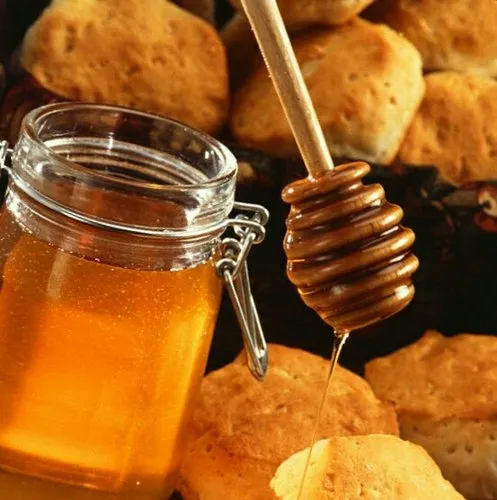
Raw Honey: This is honey at its most natural. It’s strained to remove big bits like wax and bee legs (hey, it happens!), but it still retains pollen, enzymes, and nutrients. Raw honey is packed with antioxidants and has a richer, more complex flavor.
Processed Honey: To make it shelf-stable and super smooth, processed honey is often pasteurized (heated) and ultra-filtered. While it’s still sweet, the heating process removes some of the good stuff like pollen and enzymes.
Here’s a fun fact: Local raw honey might even help with seasonal allergies because it contains traces of local pollen.
It’s like nature’s version of allergy shots…but much tastier.
Why Bees Are the MVPs of the Food Chain
Bees don’t just make honey, they’re the unsung heroes of agriculture.
About 75% of the world’s crops depend on pollinators like bees.
Without them, we’d lose a lot more than honey; we’d say goodbye to apples, almonds, cucumbers, coffee (gasp!), and even chocolate.
For a while, things were looking pretty grim for honeybees.
Habitat loss, pesticides, and something called Colony Collapse Disorder (CCD) had their populations plummeting, and people started realizing just how much we rely on these little pollinators for, well, everything…from apples to almonds to coffee (because let’s face it, coffee is life).
But here’s some good news: honeybee populations are starting to bounce back in many areas!
Thanks to people planting bee-friendly flowers, ditching harmful pesticides, and even setting up backyard hives, the bees are making a bit of a comeback.
It’s proof that when we pay attention and pitch in, nature can find its way back to balance.
That’s why supporting bees is so important…not just for honey lovers but for, well, everyone who eats.
What You Can Do to Help Bees
If you’re thinking, “I’m not a beekeeper, how can I help?”, don’t worry. There are plenty of ways to support these vital pollinators:
Plant a Bee-Friendly Garden: Fill your yard with flowers like lavender, clover, sunflowers, and wildflowers. Bees love them, and they’ll make your space look and smell amazing.
Skip the Pesticides: Many chemicals used in gardening are harmful to bees. Opt for natural pest control methods instead.
Buy Local Honey: Supporting local beekeepers keeps their hives thriving and ensures you’re getting fresh, nutrient-rich honey. Visit Farmers’ Markets, look for local Beekeepers or Apiaries, support specialty shops, or join a CSA (Community Supported Agriculture).
Leave the Dandelions: Bees love these “weeds.” Letting them bloom in early spring provides essential food for hungry bees coming out of hibernation. You can also get yourself some seeds and drop them around your town in parks or wooded areas.
Start Your Own Hive: Yep, you can be a beekeeper! Let’s talk about how.
Beekeeping 101: How to Start Your Own Hive
You might think beekeeping is for farmers or full-time homesteaders, but it’s way more accessible than that. Modern hive kits make starting a backyard hive almost as easy as setting up a garden bed. Here’s what you need to know:
Check Local Laws: Some cities require permits for beekeeping. Look up the rules in your area before getting started.
Get the Gear: You’ll need a hive box, a bee suit (you don’t want to skip this), and a smoker to keep the bees calm while you work. Many starter kits include everything you need.
Join a Community: Beekeeping groups are a fantastic resource for beginners. Plus, there’s something comforting about talking shop with fellow bee enthusiasts.
see next page
ADVERTISEMENT
